
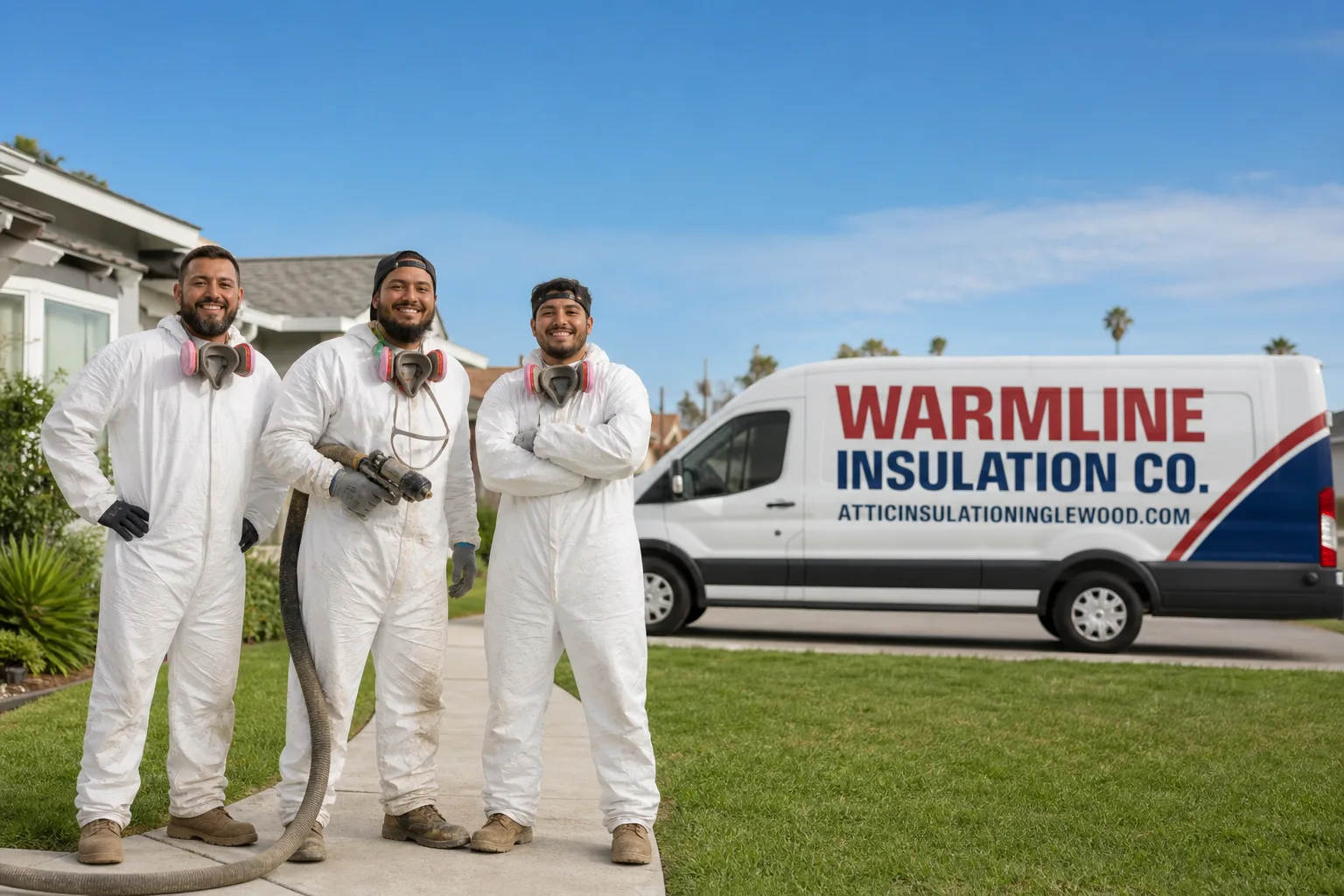
Trusted Spray Foam Insulation for Inglewood Homeowners
If you’re wondering how much Spray Foam Insulation costs, in Inglewood it typically runs $1,800 to $5,400 for a standard attic application, and most jobs are completed in a single visit. That’s the direct answer, but the real question is what you’re getting for that money. We’re Warmline Insulation Co., and since 2011 we’ve been sealing and insulating homes across Inglewood, View Park-Windsor Hills, and Ladera Heights with the kind of thoroughness that generalist contractors simply don’t offer. The difference matters in this climate: Inglewood sits close enough to LAX that homes catch both coastal marine air and inland heat, which means attics here swing from damp to roasting within a single week. Spray foam handles that swing better than any other insulation type we install. If you’re tired of rooms that never match the thermostat setting, call (424) 622-5846. A live person answers, day or night.
What Our Spray Foam Insulation Service Includes
Spray foam isn’t one product applied the same way everywhere. It’s a category of insulation that changes based on the surface, the cavity, and what that part of your home actually needs. We break the service into five applications because each one solves a different problem. Here’s what we do in Inglewood homes, and how we do it - including our Spray Foam Insulation in Inglewood.
Open-Cell Spray Foam
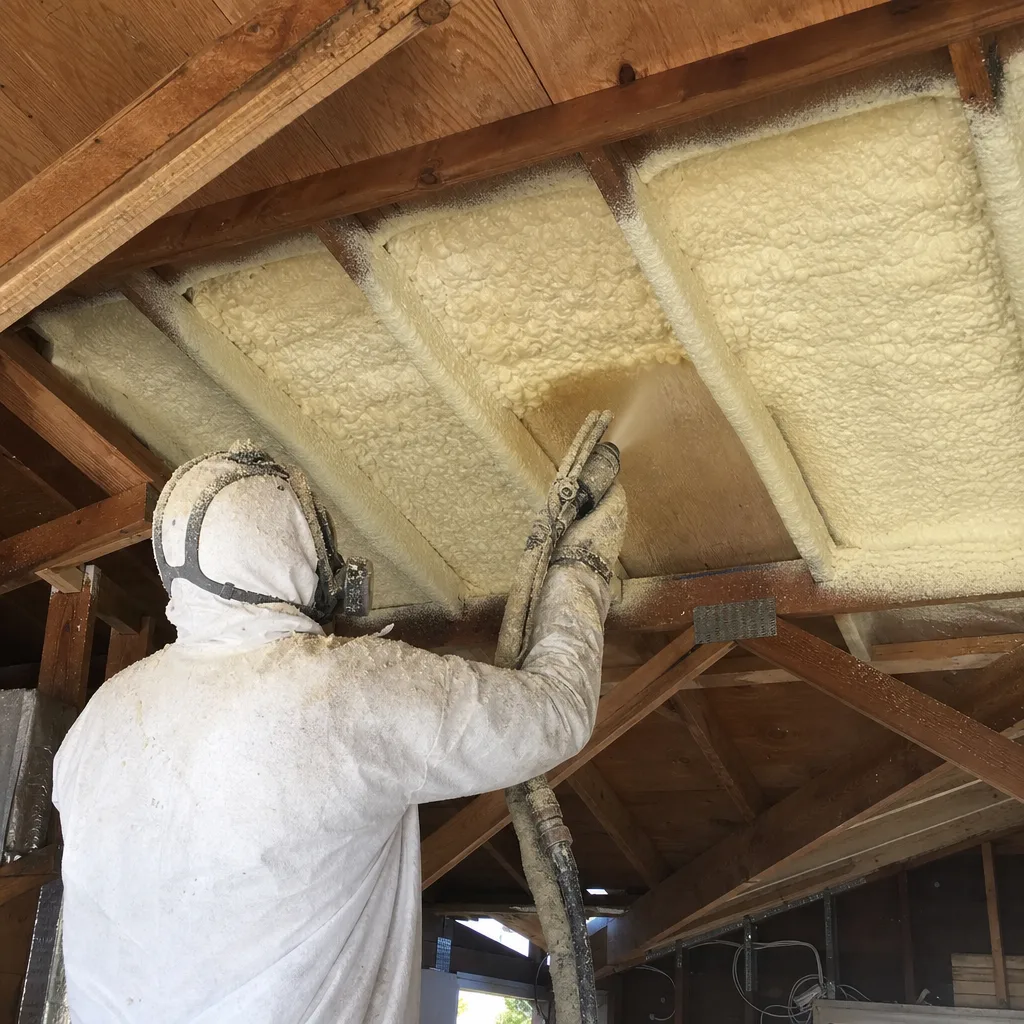
Open-cell foam is the workhorse for attic ceilings and interior walls. It expands to roughly 100 times its liquid volume, filling every crack and crevice that fiberglass batts leave exposed. When you need sound dampening along with temperature control, this is the option we recommend most often. In Inglewood’s older bungalow stock, where wall cavities are irregular and settled, open-cell foam conforms in a way rigid products never can. We install it as a continuous air barrier, not just an insulation layer, which is what actually stops the draft you feel near baseboards on windy days.
Closed-Cell Spray Foam
Closed-cell foam is denser, structurally stronger, and resistant to water absorption. That makes it the right choice for rim joists, crawl space walls, and any surface that meets exterior moisture or soil contact. In neighborhoods like Westmont and Hawthorne, where floor joists sit close to ground level, Hawthorne Spray Foam Insulation with closed-cell foam doubles as a vapor barrier. We apply it in precise lifts to control cure time and thickness, because the performance difference between a rushed pass and a proper two-inch lift is measurable with a blower door test. If you’re dealing with a damp crawl space and cracked stucco above it, this is usually where the problem lives.
Rim Joist Spray Foam
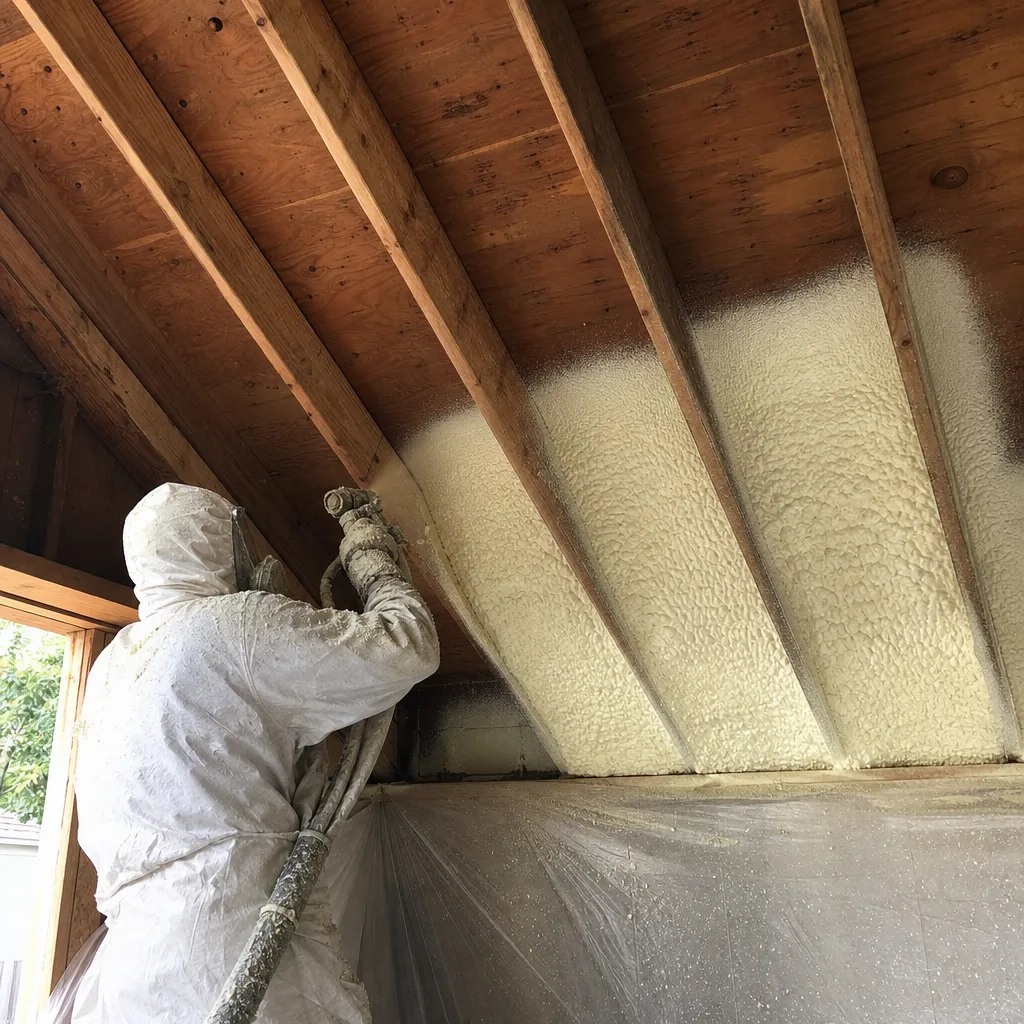
The rim joist is the band of framing where your floor meets the foundation, and it’s the single most overlooked air leak in most Inglewood homes. Unsealed rim joists account for a surprising share of the heat loss in raised-foundation houses, and they’re also a common entry point for rodents and insects. We spray closed-cell foam into each joist bay, sealing the seam and adding an insulation value that old fiberglass shoved into that gap never achieved. The payoff shows up in the kitchen floor not feeling cold on winter mornings, and in pest pressure dropping noticeably within a season.
Garage Ceiling Spray Foam
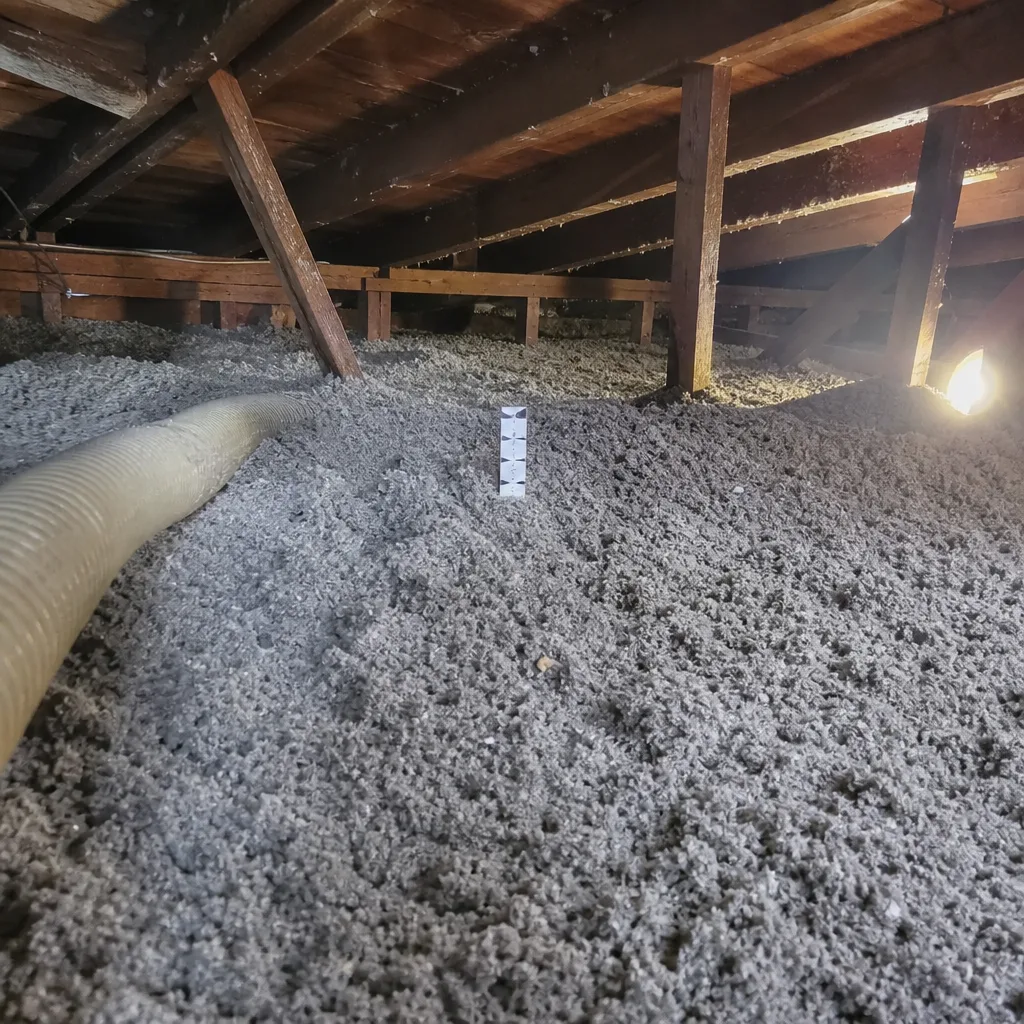
If your garage sits under a bedroom or attached living space, that ceiling is a thermal boundary with real consequences. Thin drywall and a few inches of settled insulation can’t stop the heat that builds in a closed garage from climbing into the room above. We spray the garage ceiling as either open-cell for thermal and acoustic benefit, or closed-cell if the garage is unconditioned and exposed to heavier temperature swings. The result is a bedroom that stays comfortable without your HVAC running extra cycles, and a garage that doesn’t bake your car’s electronics every summer afternoon.
Spray Foam Roof Deck
For homes with cathedral ceilings or unvented attics, spraying directly onto the underside of the roof deck creates a conditioned attic space. This matters in Inglewood where roof temperatures hit 140 degrees in August and that heat radiates down into the living space. A sprayed roof deck moves the thermal boundary to the roofline itself, which keeps ductwork and stored belongings out of the extreme heat zone. We’ve done this on everything from mid-century post-and-beam homes in View Park-Windsor Hills to Spray Foam Insulation in Culver City and standard truss attics that homeowners wanted to convert into storage. The energy modeling after the work is what convinces most skeptics.
Every application uses materials from manufacturers we trust: Icynene for open-cell, Demilec and CertainTeed for specific closed-cell scenarios. Names matter because the foam’s expansion consistency and long-term off-gassing profile depend on the chemistry. We don’t cut that corner, and the home performance improvements from this approach have held up across hundreds of local jobs.
What happens when you call
- 1
A real person answersNo phone trees - you reach a local pro.
- 2
You get an upfront price rangeHonest numbers before anyone is dispatched.
- 3
A background-checked tech heads outLicensed & insured, dispatched right away.
- 4
You approve before work beginsNothing starts until you say go.
Brands We Service for Spray Foam Insulation
Warmline Insulation Co. works with the material partners that set the benchmark in the insulation industry, and our technicians install and finish those products daily. With Icynene open-cell foam, we’ve developed a strong working rhythm: the product expands uniformly, cures cleanly, and lets us dial in the exact cavity fill that Inglewood’s mixed housing stock requires. We also carry CertainTeed and Knauf products for specific applications where their particular densities and R-values fit the design better than alternatives. You won’t get a generic answer about what’s going on your roof deck; you’ll get a recommendation based on the building’s construction and the result you want.
If your home currently has an older foam product from another manufacturer, we remove, assess, and re-insulate it without bias toward any single brand. The equipment we use is calibrated to the material, not the other way around, so we’re able to service and replace systems from Rockwool and other major names without a problem. What matters to us is that the foam performs: correct depth, no voids, no lingering odor, and a thermal boundary that holds up. Whether you have Icynene, CertainTeed, Knauf, or any other make in your home, we can diagnose it, fix it, or replace it properly.
Signs You Need Spray Foam Insulation Right Now
- Rooms that never match the thermostat. You’re setting the AC to 74 but the bedroom reads 79 at midnight. That’s a classic sign of air bypassing your existing insulation, not just a system that needs more Freon. Spray foam’s continuous air seal addresses the actual problem.
- Drafts near baseboards and outlets on windy days. If papers flicker near an exterior wall when the Santa Anas blow through Inglewood, your wall cavities are open pathways. Closed-cell foam in the rim joist and penetrations blocks that airflow permanently.
- Damp or musty crawl space that makes the whole house smell. Moisture moving from soil into floor framing causes both odor and rot. Closed-cell spray foam acts as a vapor barrier at the joist level, which is something batt insulation absolutely cannot do.
- Energy bills spiking year over year with no change in usage. A house that used to cool for $180 a month now costs $260 on the same settings. Your insulation has either settled, degraded, or was never sufficient for Inglewood’s heat load in the first place.
- Pest trails in attic insulation. Rodents tunnel through fiberglass and cellulose, but they don’t burrow through properly cured spray foam. If you’re finding droppings or torn batting, it’s time to remove, air seal, and re-insulate with a product pests can’t move through.
Our Spray Foam Insulation Process - Step by Step
- 1
Assessment and measurement. We start by mapping the entire thermal boundary of your home: attic plane, rim joists, knee walls, and any accessible wall cavities. We use an infrared camera and a blower door test where the home’s size allows it, because the data tells us where air is actually moving, not just where it should be. You get a clear explanation of what we found before any work is quoted.
- 2
Preparation and protection. We mask off the work area with plastic sheeting, cover accessible surfaces, and ventilate the space properly. For occupied homes, we’ll explain what areas need temporary access and what we’ll do to limit dust and overspray. This step is where a lot of crews rush; we don’t.
- 3
Application of spray foam. Our technicians apply the specified product in controlled lifts to achieve correct depth and density. We monitor temperature and humidity during application, because Inglewood’s coastal air affects cure rates and adhesion. The foam goes on as a continuous layer, not a patchwork of passes.
- 4
Inspection and verification. After the foam cures, we check every square foot with thermal imaging to identify any thin spots or voids. If something’s off, we correct it before we leave, not after a call-back. The 90-Day Done Right Promise means this check isn’t optional. It’s standard.
- 5
Cleanup and walkthrough. We remove all masking, dispose of material waste properly, and do a final walkthrough with you to confirm the scope matched what we quoted. Most spray foam jobs are completed in a single visit, so you’re back to normal by evening.
How Much Does Spray Foam Insulation Cost in Inglewood?
A typical open-cell attic application in Inglewood runs between $2,200 and $4,800 depending on square footage and the depth required to reach recommended R-values for this climate zone. Closed-cell rim joist sealing typically costs $950 to $2,400 for a standard raised foundation, while a garage ceiling spray runs $1,400 to $3,200. Roof deck applications on cathedral ceilings start around $3,500 and climb based on pitch and accessibility. These are real-world ranges for Los Angeles County labor and material costs, not national averages that don’t reflect what contractors here actually charge.
What moves the price: total square footage, the type of foam specified, how much old insulation has to be removed first, and whether access requires special equipment. What doesn’t move the price: hidden fees added after the work is done. Our quotes are upfront, and include prep, application, verification, and cleanup. A free estimate from Warmline Insulation Co. comes with a written scope of work, not a ballpark. You’ll know the cost before you commit, and the $50 off any repair over $250 or the permanent 5% senior and veteran discount will be applied to your quote when applicable. We don’t advertise surprises.
Spray Foam Insulation Near Inglewood - Our Service Area
Warmline Insulation Co. serves all of Inglewood and the surrounding South Bay and Westside communities. Our technicians regularly work in Ladera Heights, El Segundo, Lawndale, Gardena, Hawthorne, and Westmont, with most Inglewood appointments reached within 90 minutes of your call. If you’re comparing Spray Foam Insulation in Culver City or Spray Foam Insulation in Beverly Hills, the same crews and the same pricing policies apply across our service area. For the full breakdown of what we do in your neighborhood, see our Spray Foam Insulation in Inglewood service page.
Serving Inglewood, CA - Our Local Coverage Area
We’re based in the Inglewood area and know this community well. Use the map below to see our service coverage - if you’re nearby, we can almost certainly help.
Frequently Asked Questions - Spray Foam Insulation in Inglewood
Spray foam insulation is a liquid polymer that expands and hardens into a continuous air-sealing layer. It’s applied on-site and fills gaps that fiberglass and cellulose simply can’t reach. In Inglewood homes, we use it primarily to create an air barrier at the thermal boundary, which is what actually controls temperature and moisture movement.
Most single-area applications, like an attic or a rim joist band, are completed in one day. Larger whole-home projects may span two or three days, but we plan the work so you’re not displaced longer than necessary. Cure time is typically 24 hours, after which the home can be reoccupied without concern.
Plan for $1,800 to $5,400 on most residential applications, with the exact number depending on foam type, square footage, and access. Attic open-cell jobs sit at the lower end, while closed-cell and roof deck work lands higher. The estimate we give you is free and includes everything: prep, material, labor, and cleanup. Call (424) 622-5846 and we’ll schedule a walkthrough.
Yes. We install both Icynene open-cell and CertainTeed closed-cell products regularly, along with Knauf and other manufacturer lines. Our equipment is calibrated per product, so we’re not locked into any one brand. If your home has an existing foam system from another maker, we can assess and either repair or replace it with the right material for your specific conditions.
Yes. If you have exposed framing, a failed insulation installation, or a pest intrusion that needs immediate air sealing, we dispatch same-day where scheduling allows. Phones are answered by a live person 24/7, so you’ll talk to a human who can tell you exactly when we can get there. No voicemail gate.
Every installation is covered by our 90-Day Done Right Promise. If the work isn’t right, we make it right, in writing. The foam manufacturers also back their products, and we’ll walk you through what’s covered under those warranties. You’re never left with a number to call and no one who remembers your job.
Clear a path to the work area and move any stored items you don’t want covered. We handle the full masking and protection of surfaces, but it helps if you remove valuables from the immediate workspace. If you have pets, keep them out of the zone during application and for the first few hours of curing. We’ll walk you through any specifics at the time of your estimate, and most jobs are done in a single visit so the disruption is minimal.
Schedule Your Spray Foam Insulation Service in Inglewood Today
If your attic’s been roasting all summer, or you feel a draft in the hallway every time the wind picks up, let’s get it measured and fixed. Call (424) 622-5846 now for a free, no-obligation estimate from Neil Ashford and the Warmline Insulation Co. team. A live person answers 24/7, we show up when we say we will, and the 90-Day Done Right Promise means you’re covered after the work is done. Serving Inglewood since 2011.
Written by Neil Ashford, Owner at Warmline Insulation Co., serving Inglewood since 2011.